
From social dances to global trends, African music has influenced how people move, celebrate, and express joy around the world.
Introduction
Music is not only something people listen to — it is something they feel and move to. Across the world, many popular dance styles and celebration sounds today are deeply connected to African music.
African rhythms have always encouraged movement, participation, and expression. Over time, these rhythms traveled beyond the continent and began shaping how people dance, celebrate, and connect through music globally.
Dance as a Core Part of African Music
In many African communities, music and dance are inseparable. Music is often created with movement in mind, making it natural for people to respond physically to rhythm.
African music commonly features:
- Strong, steady beats
- Repeating rhythms that guide movement
- Music designed for group participation
- A connection between sound, body, and emotion
This close relationship between music and movement made African rhythms easy to adapt into global dance culture.
How African Rhythms Influenced Modern Dance Styles
As African music spread across cultures, its rhythmic patterns influenced how people dance in different parts of the world.
Social and Street Dance
Many modern street and social dances are built around rhythm-focused movements. These styles emphasize freedom, creativity, and personal expression — values long present in African dance traditions.
Club and Party Culture
African-inspired beats are now common in clubs and party music. The rhythm-driven nature of these sounds makes them ideal for dancing and celebration.

African Music and Global Celebrations
African rhythms have also shaped how people celebrate important moments. From festivals to weddings and public events, rhythm-led music brings energy and connection.
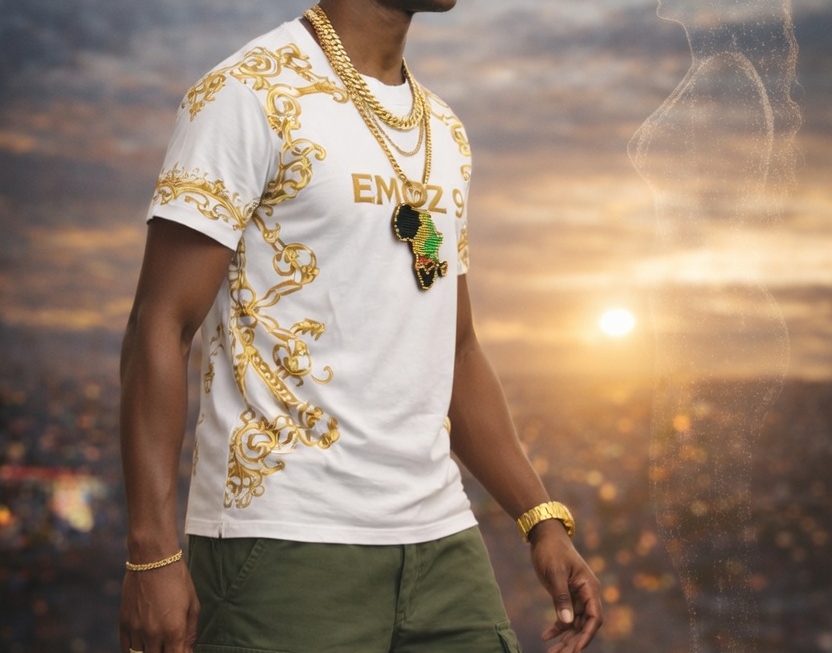
These movements are closely connected to the African rhythms that shaped the music we hear today.
Today, African-influenced music is used to:
- Create lively atmospheres at events
- Encourage collective celebration
- Blend tradition with modern entertainment
This influence shows how African music continues to shape joyful experiences worldwide.
The Role of Digital Media in Spreading Dance Culture
Social media and video platforms have played a major role in spreading African-inspired dance styles. Short videos, challenges, and performances allow people across the world to learn and share dance movements easily.
This digital exposure has helped African rhythms reach new audiences and become part of global entertainment culture.
Why African Music Feels Natural to Move To
African music often follows patterns that feel instinctive to the human body. The emphasis on rhythm makes movement feel effortless rather than forced.
This natural connection explains why African-inspired music continues to influence dance trends across different cultures and age groups.
Conclusion
African music has changed more than just how the world sounds — it has shaped how people move, celebrate, and express happiness. Its rhythms encourage participation, connection, and freedom, making it a lasting force in global entertainment.
As music continues to evolve, African rhythms will remain central to how people dance and celebrate across the world.
These movements are closely connected to the African rhythms that shaped the music we hear today.


https://shorturl.fm/Smm2D
https://shorturl.fm/kCsCa