Learn the 7 common signs of low blood pressure (hypotension), possible causes, when to seek medical attention and simple first-aid steps that may help
Feeling dizzy, weak or faint? These could be signs of low blood pressure (hypotension). Learn how to recognize the symptoms early, what may cause them and the immediate steps you can take while knowing when it’s important to seek medical care.
Low blood pressure, also known as hypotension, occurs when your blood pressure falls lower than what is considered normal for your body. While some people naturally have low blood pressure without any problems, others may experience symptoms that affect their daily activities.
If left untreated in severe cases, hypotension can reduce blood flow to vital organs and lead to serious health complications.
Recognizing the warning signs early can help you respond quickly and know when professional medical care is needed.
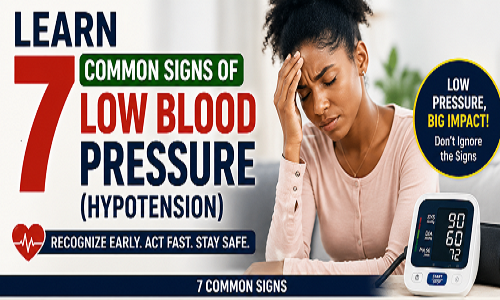
7 Signs of Low Blood Pressure
1. Dizziness or Lightheadedness
Feeling dizzy when standing up suddenly is one of the most common signs of low blood pressure. This happens because your brain briefly receives less blood than it needs.
2. Fainting or Feeling Like You May Faint
A sudden drop in blood pressure may cause fainting, especially after standing for a long time, being in hot weather or becoming dehydrated.
3. Constant Fatigue or Weakness
Low blood pressure may reduce oxygen delivery throughout the body, leaving you feeling unusually tired or weak.
If you’ve been experiencing ongoing tiredness, you may also want to read our article on 6 Chronic Signs of Fatigue You Should Never Ignore, which explains when persistent fatigue may indicate an underlying health condition.
4. Blurred Vision
Temporary blurred vision or difficulty focusing can occur when there isn’t enough blood reaching the eyes.
5. Nausea or Upset Stomach
Some people experience nausea or stomach discomfort due to reduced blood flow to the digestive system.
6. Rapid or Shallow Breathing
Your body may respond to low blood pressure by increasing your breathing rate to supply more oxygen to important organs.
7. Cold, Clammy or Pale Skin
When blood pressure drops significantly, the body redirects blood to essential organs. As a result, your hands and feet may feel cold, your skin may become pale or you may develop cold sweats.
What to Do Quickly
If you think your blood pressure has dropped, these simple steps may help while you seek appropriate medical advice:
- Sit or lie down immediately to prevent falling.
- Drink plenty of water if dehydration is a possible cause.
- Eat small, balanced meals throughout the day.
- Stand up slowly after sitting or lying down.
- Wear compression stockings if recommended by your healthcare provider.
- Monitor your blood pressure regularly if you experience frequent symptoms.
What Happens If Low Blood Pressure Is Left Untreated?
Although mild hypotension may not always be dangerous, severe or persistent low blood pressure can lead to:
- Reduced blood flow to the brain and other vital organs.
- Falls, injuries and accidents caused by fainting.
- Persistent weakness and reduced quality of life.
- Shock in severe medical emergencies.
Support Your Overall Heart Health
Maintaining healthy blood pressure isn’t only about avoiding high readings. A healthy lifestyle supports your heart whether your blood pressure is too high or too low.
You may also find these African Reality guides helpful:
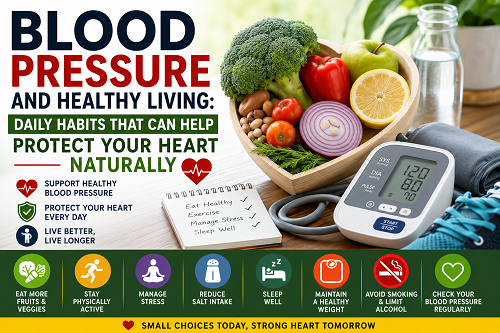
- 12 Daily Habits That Can Help Protect You Against High Blood Pressure Naturally — Discover everyday habits that promote a healthier heart and circulation.
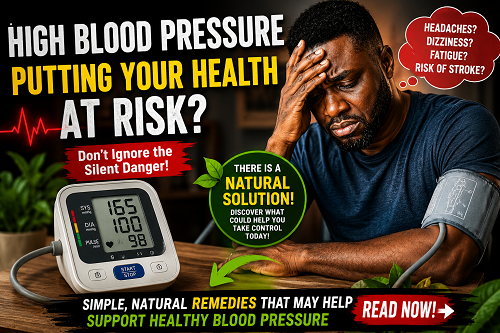
- 10 Natural Home Remedies for High Blood Pressure: Herbal Teas and Drinks That May Help — Learn about traditional herbal teas and natural drinks that have been used for generations to support heart health alongside professional medical care.
Final Note
This article is provided for educational purposes only and should not replace professional medical advice, diagnosis or treatment.
If you frequently experience symptoms of low blood pressure or if your symptoms become severe, consult a qualified healthcare professional for proper evaluation and treatment.
Taking care of your heart involves eating a balanced diet, staying hydrated, exercising regularly, getting enough sleep and attending routine medical check-ups.
You can also visit the African Reality Home Page to discover more articles on health tips, natural remedies, African stories, entertainment, music, opportunities and personal development.
We’d Love to Hear From You!
Have you ever experienced symptoms of low blood pressure?
What helped you feel better, and what advice has your healthcare provider given you?
Share your experience in the comments section below. Your story may encourage someone else to recognize the warning signs and seek help early.
📌 Bookmark this page so you can easily return whenever you need these tips.
📩 Subscribe to African Reality for more health tips, natural wellness guides, African stories and practical lifestyle advice.
If you found this article helpful, please share it with your family and friends. One share could help someone recognize the signs of low blood pressure before it becomes a serious health concern.