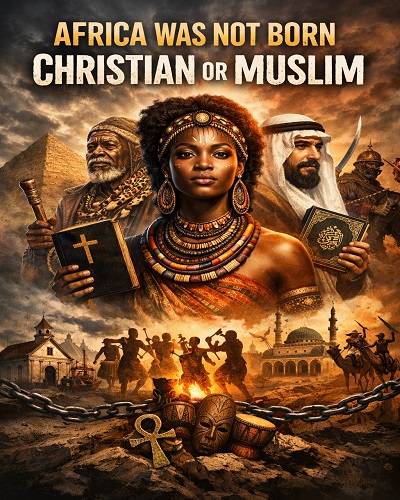
African traditions still shape modern life across the continent. Learn how culture, values, and heritage influence today’s African society.
Introduction
African traditions are often discussed as if they belong only to the past. In reality, they continue to shape modern African life in powerful and meaningful ways. From family structures to moral values, tradition remains deeply woven into how many Africans think, relate, and live — even in a rapidly changing world.
Understanding the role of tradition in modern African society helps explain why African cultures are frequently misunderstood and why everyday African life cannot be fully understood without cultural context.
(This article complements our earlier discussions on why African traditions are misunderstood and the real-life stories the media rarely tells.)
Tradition as a Foundation, Not a Limitation
One common misconception is that tradition holds Africa back. However, for many communities, tradition provides:
- Social order
- Moral guidance
- Identity
- Continuity between generations
Rather than limiting progress, tradition often serves as a foundation upon which modern life is built.
Modern African societies do not reject tradition — they adapt it.
Family and Community in Modern Life
Even in urban African settings, traditional values around family and community remain strong.
Examples include:
- Respect for elders
- Extended family responsibility
- Community involvement in major life events
These values continue to influence:
- Marriage
- Parenting
- Conflict resolution
- Social support systems
While lifestyles may change, the underlying principles remain relevant.
Tradition and Modern Education
Contrary to popular belief, tradition and education are not enemies.
In many African societies:
- Proverbs teach critical thinking
- Storytelling transmits history and ethics
- Cultural values shape discipline and responsibility
Modern education often exists alongside traditional knowledge, not in opposition to it.
This blend creates individuals who can navigate both local and global environments.
Cultural Identity in a Globalized World
Globalization has brought new ideas, technologies, and lifestyles into Africa. As a result, many Africans live between:
- Traditional expectations
- Modern ambitions
Rather than erasing culture, this interaction has sparked:
- Cultural pride
- Creative expression
- Renewed interest in heritage
Fashion, music, language, and storytelling increasingly draw from traditional roots while embracing modern forms.
Tradition and Moral Values
In many African societies, tradition plays a key role in shaping moral behavior.
Traditional values often emphasize:
- Honesty
- Responsibility
- Respect
- Collective well-being
These values continue to guide decision-making, especially where formal systems may be weak or inaccessible.
Understanding this and why African traditions are misunderstood will helps explain why tradition still matters in daily life.
How Tradition Evolves Over Time
African traditions are not fixed rules — they are living systems.
Over time, communities:
- Question harmful practices
- Modify outdated norms
- Preserve meaningful customs
This evolution shows that tradition is not about blind preservation, but about relevance and balance.
This is often ignored when African cultures are judged from the outside.
Why Tradition Is Often Misunderstood Today
As discussed in our earlier article on why African traditions are misunderstood, many misconceptions come from:
- Lack of context
- Generalization
- External interpretation
When tradition is viewed without understanding modern African realities, it is easy to misjudge its role and importance.
The Importance of Africans Telling Their Own Stories
The most accurate explanations of tradition come from those who live it.
When Africans speak about their cultures:
- Nuance replaces stereotypes
- Context replaces assumptions
- Humanity replaces labels
This is why real African stories, not surface-level portrayals, matter.
Final Thoughts
Tradition remains a vital part of modern African society — not as a relic of the past, but as a living influence shaping identity, values, and community life. To understand Africa today, one must recognize how tradition and modernity coexist, interact, and evolve together.
African traditions are not obstacles to progress. They are expressions of history, resilience, and belonging.