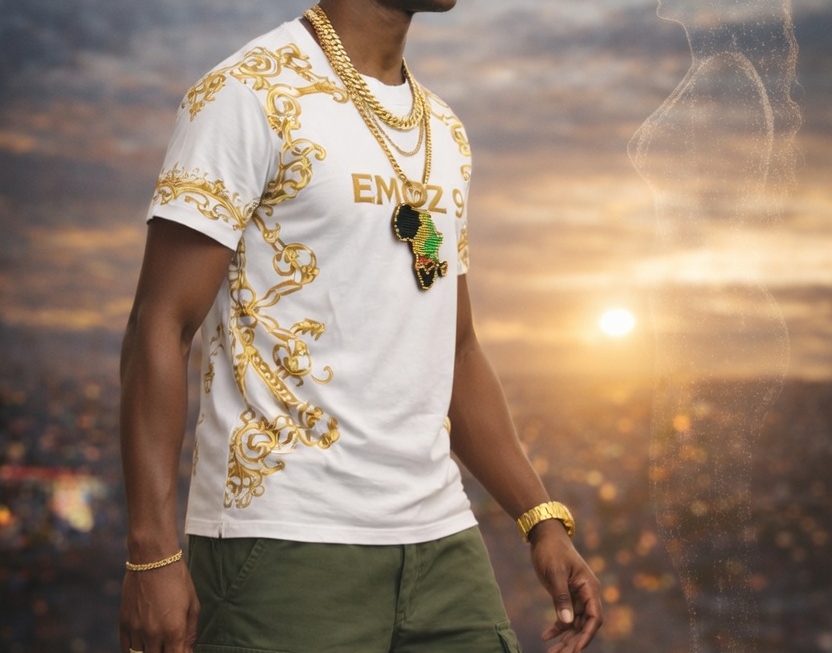
African storytelling influences movies, music, and digital media through culture, meaning, and shared human experiences.
Introduction
Stories have always been a powerful way humans communicate ideas, culture, and values. In Africa, storytelling has existed for centuries as a way to teach lessons, preserve history, and bring communities together.
Today, these stories live on in modern entertainment. Just as the African rhythms that shaped the music we hear today, African storytelling continues to influence how movies, music, and digital content are created and shared around the world.
African Storytelling: More Than Just Entertainment
In traditional African societies, stories were not told only for fun. They had deeper purposes, such as:
- Teaching right and wrong
- Explaining life experiences
- Preserving culture and traditions
- Strengthening community bonds
Stories were passed down through spoken words, songs, proverbs, and performances. This strong storytelling culture laid the foundation for many modern forms of entertainment we see today.
How African Storytelling Influences Music
African music often carries messages about real life — love, struggle, joy, unity, and hope. Songs are not just sounds; they are stories set to rhythm.
This storytelling style has influenced modern music by:
- Encouraging meaningful lyrics
- Connecting songs to real experiences
- Making music more emotional and relatable
This is why African-influenced music often feels deep and expressive, not just catchy.
African Storytelling in Movies and Visual Media
Many African stories focus on strong characters, life lessons, and symbolic meaning. These elements have shaped how stories are told in films today.
In modern movies and visual media, African storytelling appears through:
- Strong character development
- Cultural symbols and traditions
- Themes of identity, family, and resilience
These storytelling methods help audiences connect emotionally with what they watch.
Storytelling, Dance, and Expression in Modern Media
Storytelling in Africa is not only spoken — it is also shown through movement and expression. Dance often communicates emotion, celebration, and meaning.
This is closely connected to how African music changed the way the world dances and celebrates, showing how storytelling flows through sound, movement, and culture together.
Digital Media and the Return of African Stories
With social media, streaming platforms, and digital tools, African storytellers now share their stories with a global audience more easily than ever before.
Digital media has helped to:
- Revive traditional stories in modern formats
- Give African creators a global voice
- Preserve culture while adapting to modern trends
This has made African storytelling more visible and influential in today’s entertainment industry.
Why African Storytelling Still Matters Today
African storytelling connects with people because it focuses on universal human experiences. Everyone understands stories about family, survival, hope, and identity.
Rather than relying only on effects or trends, African storytelling emphasizes meaning — which is why it continues to inspire creators and audiences worldwide.
Conclusion
African storytelling has shaped modern movies, music, and digital media in quiet but powerful ways. From meaningful lyrics to emotional films and expressive performances, its influence is everywhere.
As entertainment continues to evolve, African storytelling remains a strong reminder that the best stories are those rooted in real human experience.