Beyond headlines and stereotypes, real life in Africa is rich, complex, and deeply human. Explore untold African stories the media often ignores.
To truly understand Africa, you must look beyond media narratives and listen to the lived experiences of Africans themselves.
When people outside Africa talk about the continent, the conversation is often shaped by headlines, documentaries, and social media clips. Unfortunately, these sources rarely show the full picture. Instead, they focus on extremes — poverty, conflict, or spectacle — while ignoring the everyday realities of African life.
To truly understand Africa, you must look beyond media narratives and listen to the lived experiences of Africans themselves. These are the stories that explain why African traditions are often misunderstood and why context matters.
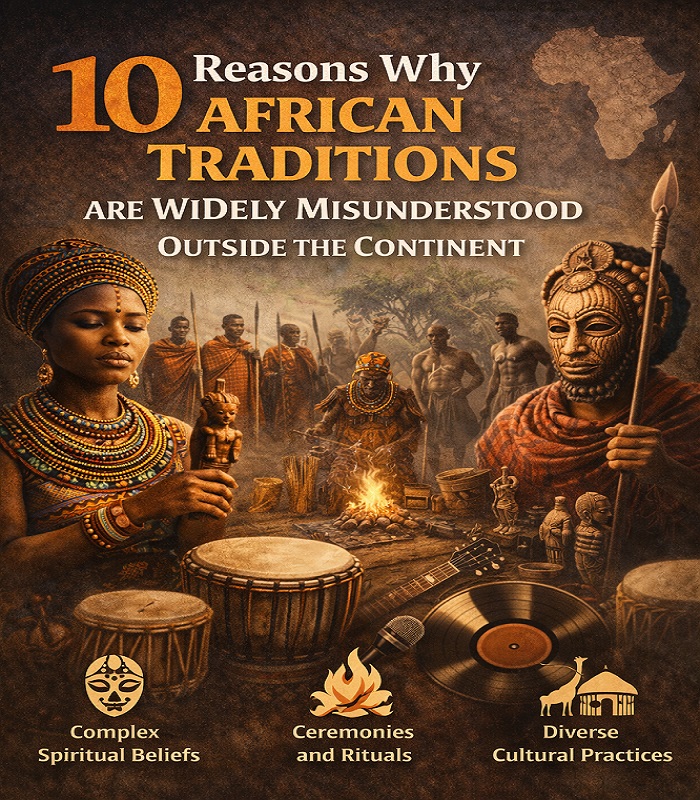
This article builds on our earlier discussion about why African traditions are misunderstood outside the continent. and AFRICA WAS NOT DISCOVERED — IT WAS INTERRUPTED
Africa Is More Than the Headlines
Media coverage of Africa often follows a narrow script:
- Crisis
- Conflict
- Aid
- Survival
While challenges exist, they do not define daily life for most Africans.
Real life in Africa includes:
- Families building community support systems
- Young people balancing tradition with modern ambition
- Creativity, humor, resilience, and hope
These realities rarely make global news — but they shape African identity.
Everyday African Life Is Deeply Communal
One of the most misunderstood aspects of African life is the emphasis on community. In many African societies:
- Neighbors look out for one another
- Extended family plays a central role
- Individual success is tied to collective well-being
To outsiders, this can seem intrusive or outdated. In reality, it is a survival system developed over generations.
This communal lifestyle is also the foundation of many African traditions that outsiders often misinterpret.
Traditions Are Lived, Not Performed
Many African traditions are not designed to impress or entertain. They are woven into daily life:
- Greetings show respect and social awareness
- Ceremonies mark life transitions
- Proverbs guide behavior and decision-making
Media portrayals often remove these practices from their context, turning them into “exotic rituals.”
The truth: traditions make sense when you understand the lives they support.
Young Africans Live Between Two Worlds
Another story rarely told is the reality of young Africans navigating:
- Cultural expectations
- Economic pressure
- Global influence
- Personal dreams
Many young people:
- Respect tradition but question harmful norms
- Embrace technology while preserving identity
- Carry emotional burdens silently
This tension explains why African culture is not static — it evolves.
Struggles Exist, But So Does Strength
Yes, Africa has real challenges:
- Unemployment
- Mental health stigma
- Inadequate infrastructure
But what is often ignored is how people cope:
- Informal economies
- Strong social bonds
- Creative problem-solving
- Faith, humor, and resilience
These coping mechanisms are part of African reality — not signs of weakness.
Many of these everyday experiences explain why African traditions are misunderstood outside the continent.

Why These Stories Are Often Ignored
There are several reasons media rarely tells these stories:
- They don’t fit dramatic narratives
- They require long-term engagement
- They are harder to simplify
- Africans are often not the storytellers
As discussed in our earlier article on why African traditions are misunderstood, when Africans are excluded from telling their own stories, misrepresentation becomes inevitable.
The Cost of Misrepresentation
When real African life is ignored:
- Traditions are misunderstood
- Cultures are stereotyped
- Young Africans feel unseen
- Global understanding suffers
Misrepresentation affects how Africa is treated, invested in, and respected globally.
Telling African Stories the Right Way
The solution is not silence — it is authentic storytelling.
This means:
- Africans speaking for themselves
- Context over sensationalism
- Nuance over generalization
- Humanity over stereotypes
Real African stories don’t need exaggeration. They are powerful on their own.
Final Thoughts
To understand Africa, you must look beyond what the media chooses to show. Real life in Africa is complex, layered, and deeply human. These stories explain not only how Africans live, but why African traditions exist — and why they deserve to be understood, not judged.
Africa is not a single story. And the real ones are still being told.