African traditions are often misunderstood worldwide. Discover the misconceptions about African culture.
Introduction
African traditions are among the oldest cultural systems in the world. They shape identity, community life, and spiritual beliefs across the continent.
However, many people outside Africa misunderstand these traditions. In many cases, media stories, colonial narratives, and cultural bias influence how people see Africa.
As a result, outsiders often reduce African traditions to stereotypes. They rarely explore the deeper meaning behind these practices.
This article explains ten reasons African traditions are often misunderstood around the world.
1. Colonial Narratives Still Influence Global Perception
Colonial history strongly shaped how the world views African traditions today. During colonial rule, many foreign writers described African cultures as “primitive” or “backward.”
They spread these ideas to justify domination and control.
As a result, these narratives appeared in textbooks, documentaries, and global media. Even today, some of these ideas still shape how people talk about Africa.
However, history tells a very different story.
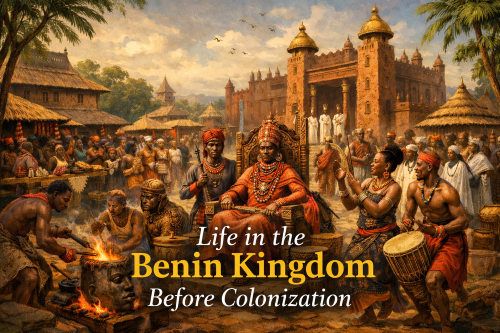
Long before colonial contact, African societies already had organized systems of governance, trade, spirituality, education, and environmental management.
This perspective is explored further in our article “Africa Was Not Discovered — It Was Interrupted.” The article explains that outside powers did not bring civilization to Africa. Instead, they interrupted societies that were already developing in their own direction.
2. Western Standards Are Used as the Default Measure
Many people judge African traditions using Western cultural standards. Because of this, they misunderstand practices that follow different values.
For example:
- Communal living is sometimes called a lack of privacy
- Respect for elders may be labeled oppression
- Spiritual rituals are often described as superstition
However, cultural practices only make sense within their own social environment.
Every society develops traditions based on its history and needs. Therefore, African traditions should be understood within their own cultural context.
3. Media Focuses on Extremes Instead of Everyday Life
Global media often highlights dramatic or unusual stories about Africa. Meanwhile, it rarely shows normal daily life across the continent.
Because of this imbalance, audiences see a distorted picture of African traditions.
For example, some reports show rituals without explanation. Others present traditions as strange or exotic.
However, most African traditions focus on community support, family responsibility, and social identity.
If you want to understand this better, read our article “Real Life in Africa the Media Rarely Tells.” It explores the everyday experiences and lifestyles that international media often ignores.
4. Africa Is Often Treated as One Culture
Many people speak about Africa as if it were a single country. In reality, Africa is a vast continent with more than fifty countries and thousands of ethnic groups.
Because of this diversity, traditions vary widely across regions.
For example, traditions in Nigeria differ from customs in Kenya, Ethiopia, Ghana, or South Africa.
Therefore, it is inaccurate to describe one single “African culture.” The continent contains many cultures, languages, and histories.
5. African Spirituality Is Often Misinterpreted

African spirituality is one of the most misunderstood parts of African culture. Many outsiders quickly label these beliefs as dark or mysterious.
However, this view ignores their deeper meaning.
In many communities, spiritual traditions emphasize:
- harmony with nature
- respect for ancestors
- moral discipline
- community balance
These beliefs guide ethical behavior and social responsibility.
Therefore, African spirituality often works as a moral philosophy rather than the negative image sometimes shown in media.
6. Oral History Is Often Undervalued
Much African knowledge passes from generation to generation through storytelling. Elders teach history through proverbs, songs, folktales, and rituals.
However, some people dismiss oral history because it is not always written down.
This assumption is misleading.
For centuries, oral traditions preserved laws, cultural values, and historical memory. Even today, storytelling remains a powerful way to teach identity and wisdom.
7. Culture and Religion Are Often Confused
Many people assume African traditions are purely religious. However, many traditions actually serve social and cultural purposes.
For example:
- naming ceremonies
- marriage celebrations
- burial rites
- community festivals
These traditions strengthen family ties and community relationships.
Therefore, they function more as social systems than strict religious practices.
8. Africans Are Not Always Allowed to Tell Their Own Stories
For many years, outsiders explained African traditions to the world. Researchers, missionaries, and filmmakers often interpreted African cultures from their own perspective.
Because of this, many traditions were misunderstood or simplified.
However, when Africans tell their own stories, they explain traditions with deeper context and lived experience.
As a result, audiences gain a clearer and more accurate understanding of African cultures.
9. Modern Africa Is Often Ignored
Some discussions treat African traditions as if they belong only to the past. This idea ignores how cultures evolve over time.
In reality, African traditions continue to adapt to modern life.
For example, young Africans combine traditional values with modern technology, education, and global culture.
Therefore, African traditions remain living systems rather than historical relics.
10. Lack of Cultural Exchange Creates Misunderstanding
Finally, many misunderstandings exist because people outside Africa rarely interact deeply with African communities.
Movies, headlines, and tourism cannot replace real cultural exchange.
True understanding grows through:
- open conversations
- cultural learning
- respectful curiosity
When people listen without judgment, they begin to see African traditions more clearly.
Why Understanding African Traditions Matters
Misunderstanding African traditions does not only affect Africa. It also limits global cultural understanding.
When people learn about different traditions, they expand their perspective on history, identity, and community.
African traditions are not relics of the past. Instead, they represent living systems of wisdom and resilience. To understand them better, it is important to explore
real life in Africa and the stories the media rarely tells. and role of tradition in modern Africa
Final Thoughts
African traditions deserve to be understood on their own terms. Too often, outdated stereotypes shape how the world sees African cultures.
However, greater awareness is slowly changing this narrative.
The more African voices share their stories, the clearer the truth becomes.
Understanding begins with curiosity. It grows through listening, learning, and genuine cultural respect.